
Attack Surface Lab
Your JavaScript bundles contain server endpoints no crawler will ever find. We built test applications to prove it.
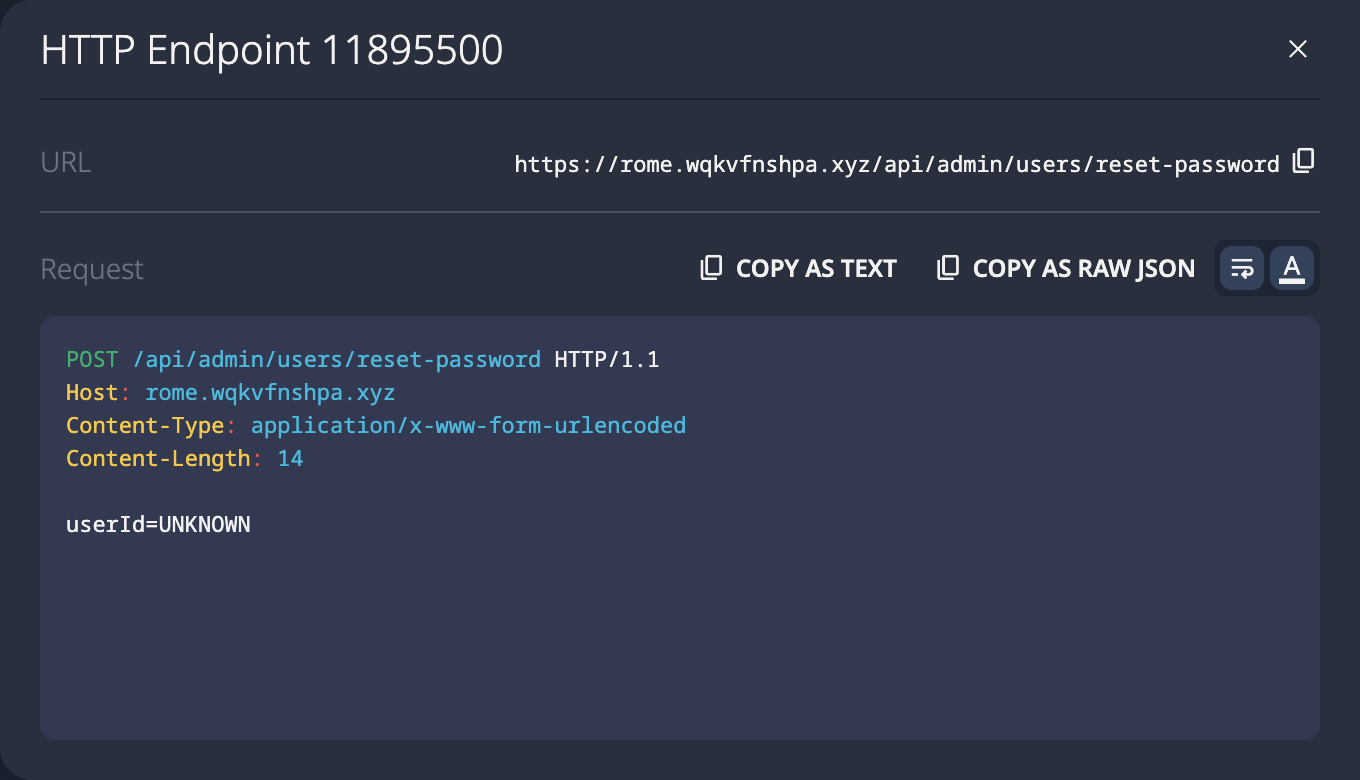
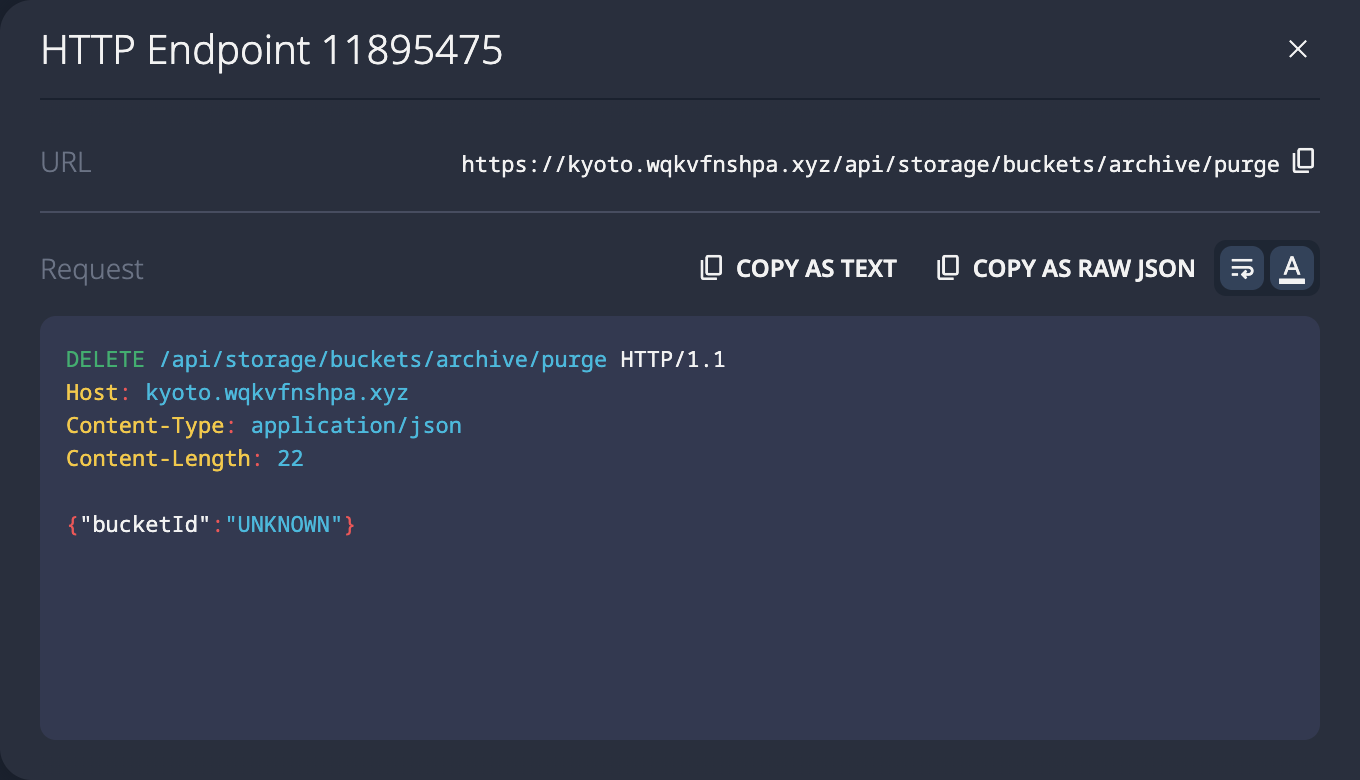
SolidPoint uses static analysis of client-side JavaScript to discover server-side endpoints — no UI interaction, no dynamic crawling. This approach is based on research by the SolidPoint team, peer-reviewed and published at ESORICS 2023 Workshops. Below are four discoveries from purpose-built test applications. Each shows the client-side code pattern and what SolidPoint found from it.
var api = "/api/moderation/";

function remove(params) {
  if (prompt("Enter 'yes' to remove") !== "yes")
    return;
  $.post(api + "remove", params);
}

function removeByID(id) {
  remove({ ident: id });
}

// Neither function is ever called — dead code.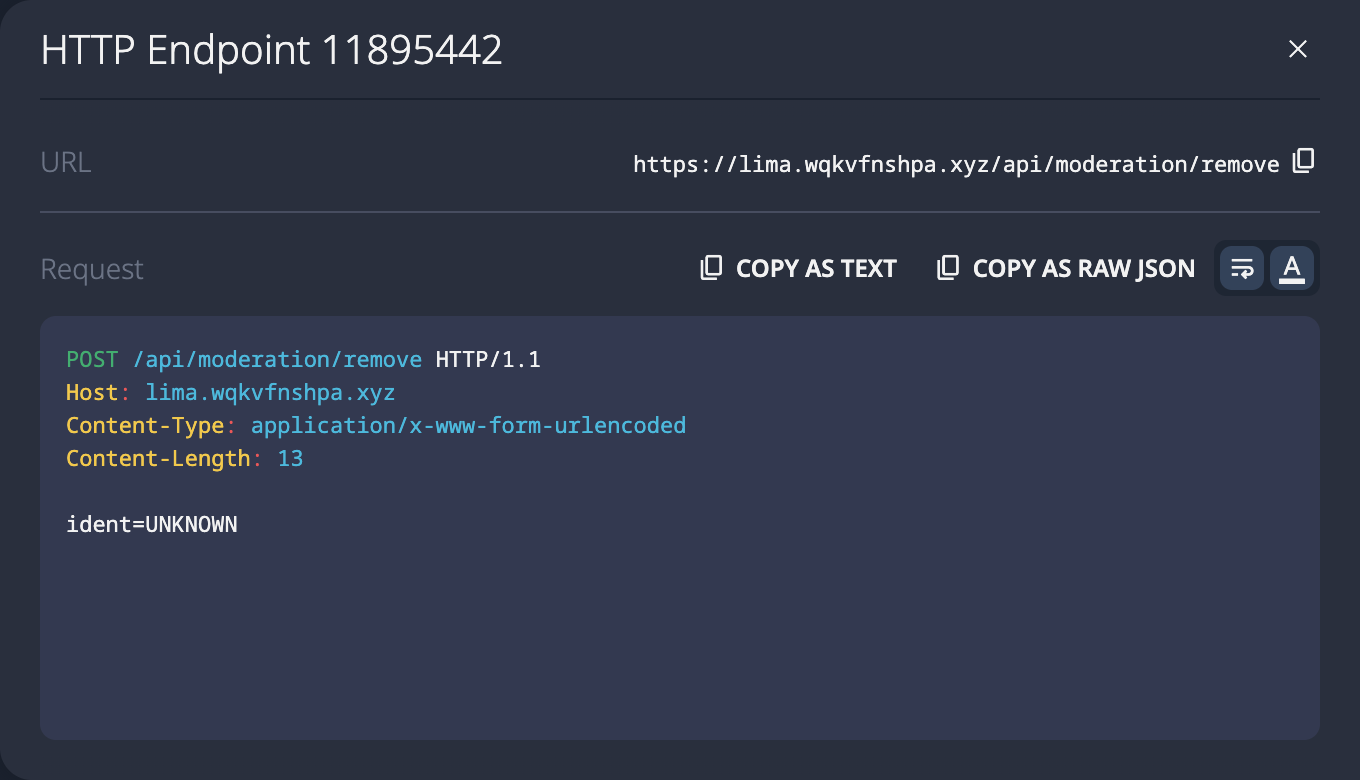
const adminApiBase = '/api/admin/users/';

const suspendUser = (userId, reason) => {
  const user = window.currentUser;
  if (!user || user.role !== 'admin') return;

  $.post(adminApiBase + 'suspend', {
    userId: userId,
    reason: reason
  });
};

const resetUserPassword = (userId) => {
  const user = window.currentUser;
  if (!user || user.role !== 'admin') return;

  $.post(adminApiBase + 'reset-password', {
    userId: userId
  });
};
function AnalyticsClient() {}

AnalyticsClient.prototype.init = function () {
  this.baseURL = '/api/analytics/';
};

AnalyticsClient.prototype.track = function (event, data) {
  fetch(this.baseURL + 'track', {
    method: 'POST',
    headers: { 'Content-Type': 'application/json' },
    body: JSON.stringify({ event: event, data: data })
  });
};

// Class defined but NEVER instantiated.
// No `new AnalyticsClient()` anywhere on the page.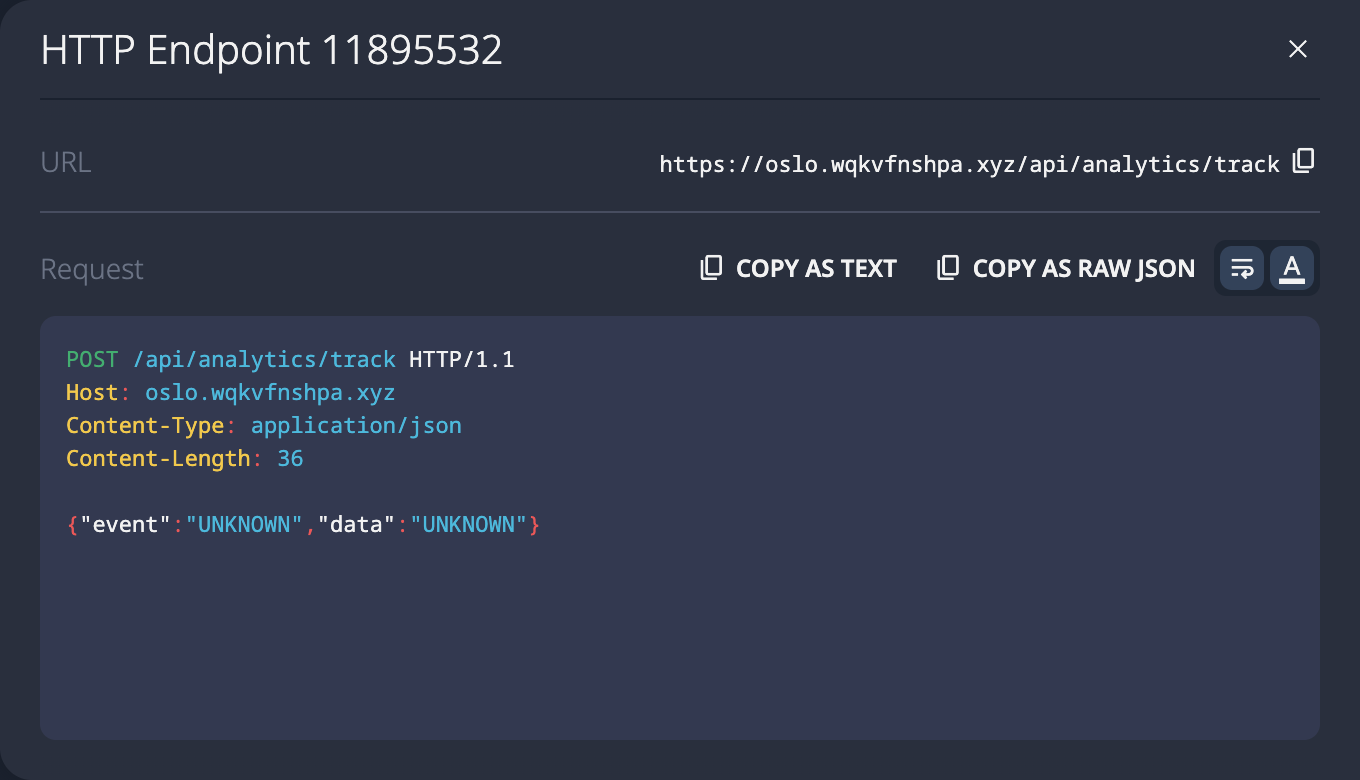
var archivePath = '';

function getStorageRoot() {
  return '/api/storage';
}

function buildBucketPath(callback) {
  var bucketPath = getStorageRoot() + '/buckets';
  callback(bucketPath);
}

function setArchivePath(base) {
  archivePath = base + '/archive';
}

function getPurgeUrl() {
  buildBucketPath(function(bp) {
    setArchivePath(bp);
  });
  return archivePath + '/purge';
}

function purgeArchive(bucketId) {
  fetch(getPurgeUrl(), {
    method: 'DELETE',
    headers: { 'Content-Type': 'application/json' },
    body: JSON.stringify({ bucketId })
  });
}
All test applications are purpose-built with functional server endpoints, tied to research published by the SolidPoint team at ESORICS 2023 Workshops (Springer LNCS, vol. 14399) and in the Journal of Information Security and Applications (Elsevier, vol. 82, 2024).